

Most people think fat loss is about dieting. But at Revibe Therapy, we’ve seen the truth: it’s about discipline and structure, not deprivation.
As Sports Psychology coaches, we help athletes, professionals, and parents develop behavioral systems that support physical goals—without obsessing over numbers or extremes.
This isn’t a meal plan. This is a mindset. Let’s break it down.
Why Most Diets Fail (And What Actually Works)
You don’t need more food rules—you need emotional regulation.
Fat loss happens in a caloric deficit. But it’s sustained by behavioral consistency. The reason most people fail isn’t a lack of knowledge—it’s inconsistency caused by stress, cravings, or emotional eating.
That’s why we use the SCBG Protocol (Sacrificial and Compensational Behavioral Goals). It’s a simple system built around delayed gratification:
- Sacrifice: Skip the soda or the second serving
- Compensate: Take a walk, journal, or breathe through the craving
It’s flexible, non-restrictive, and repeatable. That’s what makes it stick.
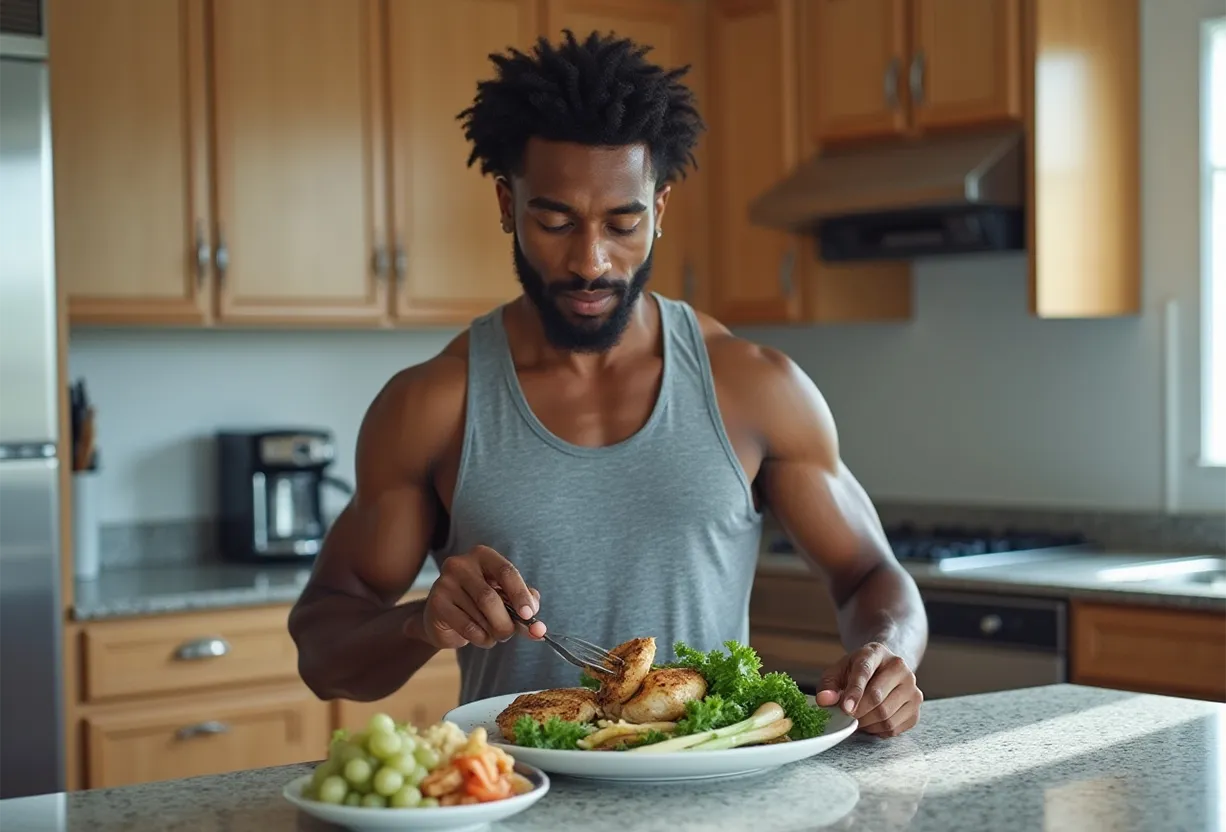
Processed Food Is Hijacking Your Brain
You’re not weak—you’re overstimulated.
Processed food triggers artificial dopamine spikes, making real food feel dull and leading to impulsive eating. The solution isn’t more restriction—it’s getting back to natural fuel.
For athletes, the best performance carbs are:
- White rice
- Potatoes
- Yams
- Plantains
- Yuca
These root-based carbs replenish muscle glycogen and support energy without crashes. Want something sweet at night? Have a fruit or small dessert under 150 calories. Sustainability beats perfection.
Fat Loss Is Not Linear, Don’t Panic
Your weight will fluctuate. Cortisol spikes. Hormones shift. Water retention happens. But most people misinterpret these changes as failure—and respond with overtraining or calorie slashing.
At Revibe Therapy, we coach athletes to stay steady:
- Track progress weekly, not daily
- Zoom out and trust your structure
- Let fat loss run in the background while your routines stay solid
This is where Sports Psychology beats trendy hacks.
A Smarter Calorie Strategy (Without Killing Performance)
Here’s a simple formula to guide your intake:
- In-season athletes:
- 🔹 15 × goal body weight (lbs) = daily calories
- Off-season or sedentary individuals:
- 🔹 10–12 × goal body weight
Example: Goal weight = 175 lbs → 175 × 15 = 2,625 daily calories
This approach supports performance, muscle retention, and long-term consistency. Always consult your physician before starting any new nutritional plan.

The Revibe Fat Loss Routine: Simple. Strategic. Effective.
We keep it basic on purpose—because basic works.
🏋️♂️ Lifting (3x/week)
- Focus: Squats, deadlifts, pull-ups, chin-ups
- 6–8 reps using reverse pyramid sets
- 25–30 minutes per session
🚶 Walking (Daily)
- Goal: 10,000–15,000 steps outside
- Benefits: Infrared light, Vitamin D, better sleep, improved recovery
😴 Recovery
- Prioritize quality sleep
- Use diaphragmatic breathing and the Emotional Patterns Chart to regulate stress
This system supports fat loss without obsessing—because your body follows your mind.

Final Takeaway: Structure Over Struggle
At Revibe Therapy, we don’t chase extreme diets. We teach systems that athletes and everyday performers can use to feel lean, energized, and emotionally balanced.
Your target isn’t just a number. It’s a state of discipline that runs on autopilot. That’s what gets you:
- Males: ~10% body fat
- Females: ~16% body fat
Lean, strong, and sustainable. Not neurotic. Fat loss is a byproduct of behavioral consistency. That’s the real power of structure—and it’s what we specialize in.
Start Building Your Discipline Today
✅ Use the Emotional Patterns Chart
✅ Book a Sports Psychology Session
Stop chasing results. Start mastering the routine that makes results inevitable.
— Revibe Therapy

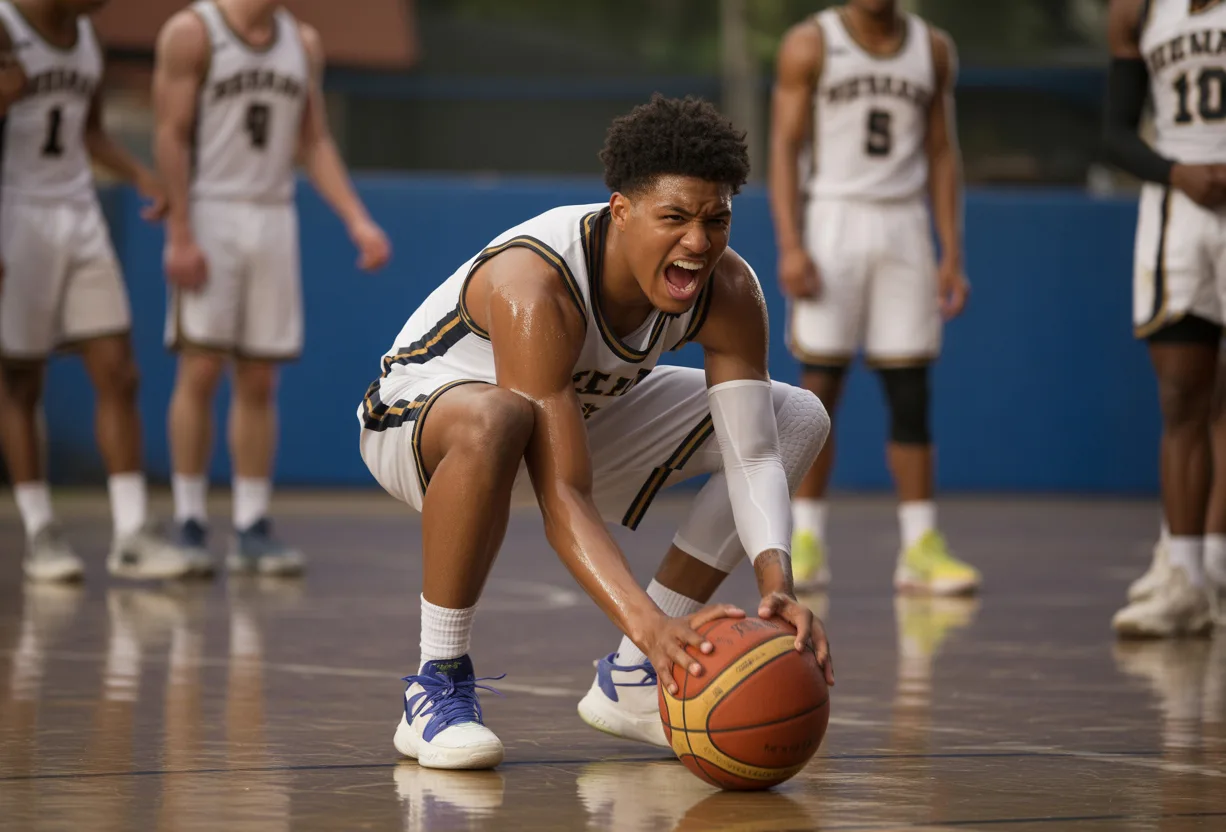
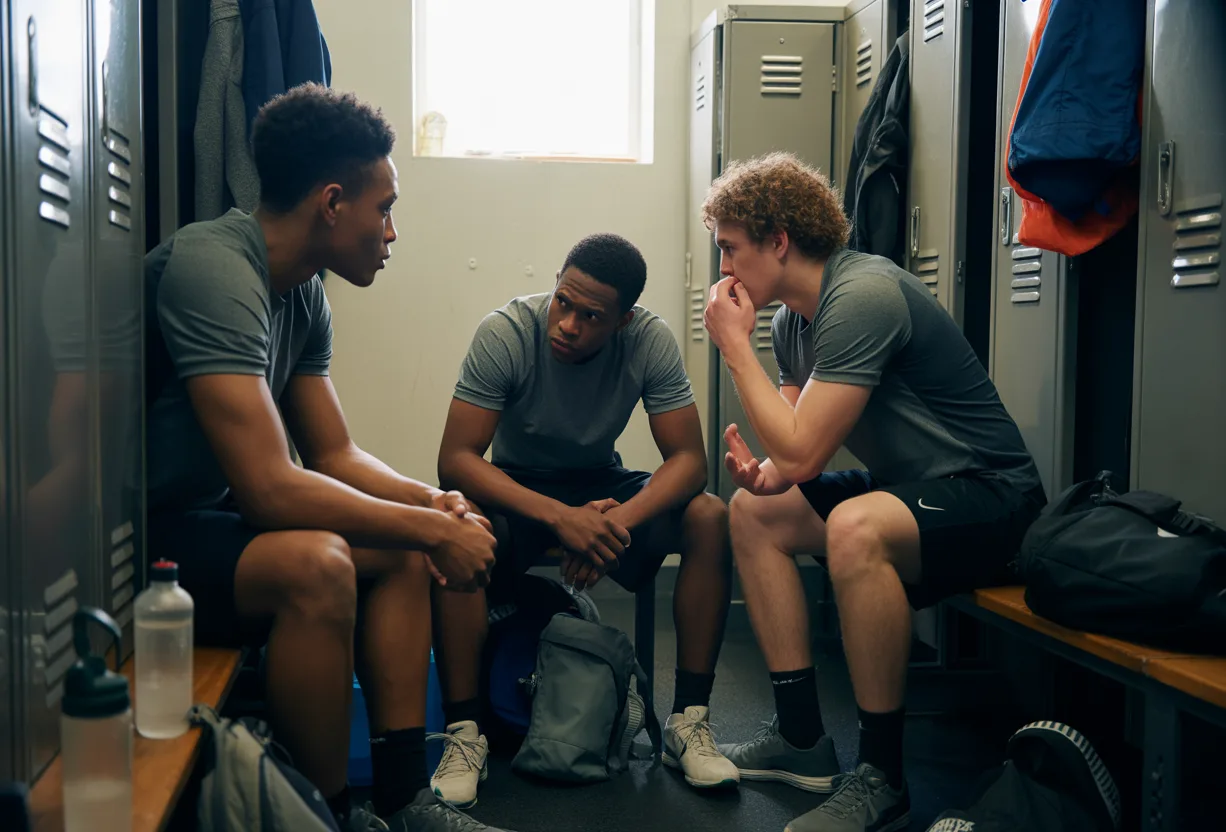
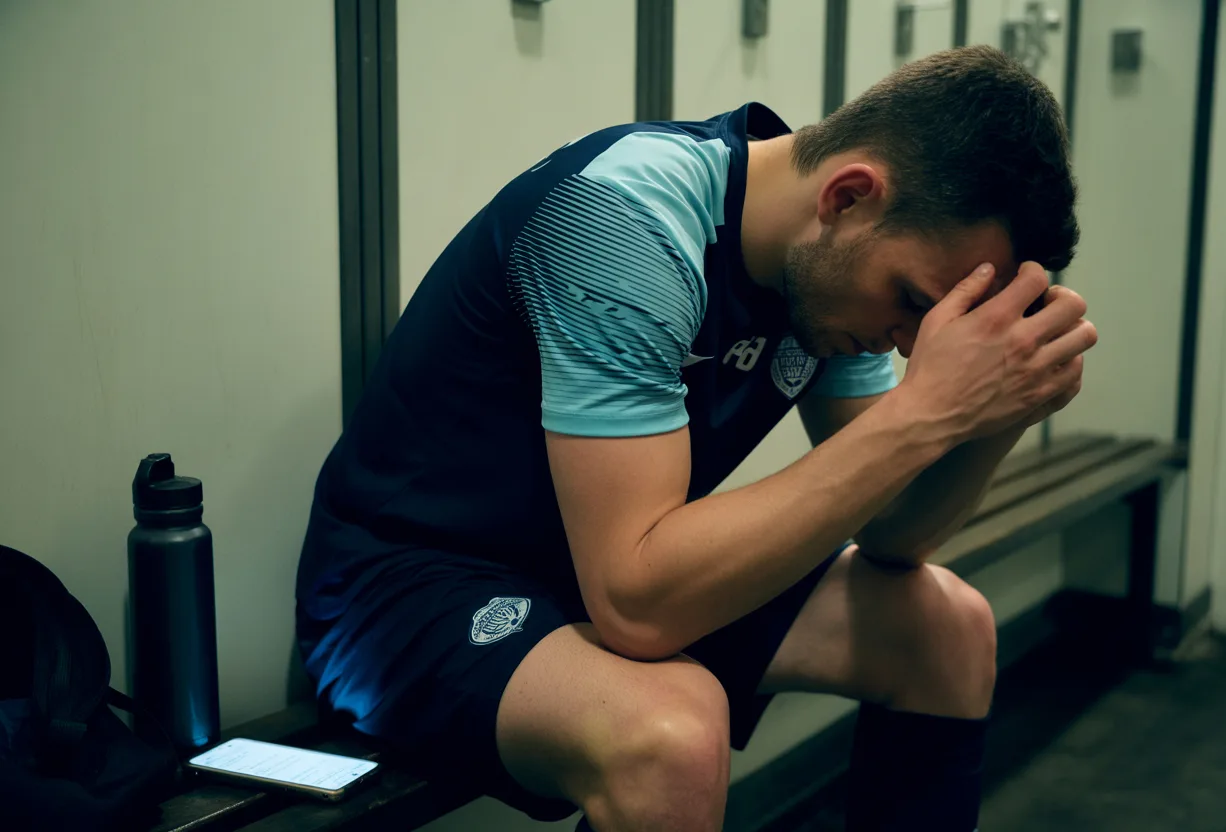

 Most often it is not the situation, but how we think about the situation that causes our feelings. How we think about situations is based on what we have learned and experienced in the past. Over time we may begin to react in ways that do not help us, and start feeling stuck and unhappy.
 Dr. Ivey, Psy.D. completed her doctorate in Clinical Psychology with a concentration in Organizational Consulting at Pacific University’s School of Graduate Psychology in Oregon. For her dissertation, Dr. Ivey conducted qualitative research on the effects of workplace discrimination and microaggressions on minority Veterans’ overall job satisfaction with their military career. She completed the APA-accredited Psychology Internship training program and Postdoctoral Residency at the Orlando VA Healthcare System.
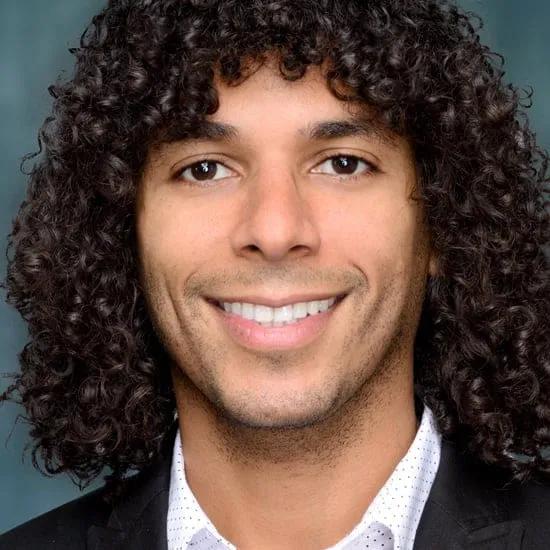 I know you’re stressed and exhausted while trying to keep up with the world’s go go go trials, trying to do it all perfectly. This “hustle” mentality makes all of us prone to mistakes and poor decisions. Your mind is overthinking at such a high pace by now that you no longer know where to find the off button, or recall when you turned it on in the first place. Trust me, I’ve been there, and in that dark place is where you start to feel worried and fearful about the future because you don’t feel in control of the now. Sound familiar?
 Often, when we seek support through therapy, we seem to underestimate the power of our own role in the healing process. We have all carried metaphorical luggage filled with experiences and events that have impacted our life. I know that it has been hard for you to seek support in untangling those moments from the past that now provoke stress, anxiety, frustration, anger, loneliness, sadness, guilt, depression, or hopelessness. The fact that you are reading this means that you have the intention to become the best version of yourself.