

Every athlete has experienced that rare moment when time slows down, the game feels effortless, and every move happens with precision. Coaches call it the zone or peak performance. At Revibe Therapy, we call it flow state, and it’s something you can train, not just hope for.
Most athletes fall into flow by accident. The moment stress, fear, or overthinking appears, they lose it. Through Sports Psychology and Online Therapy, we help athletes, professionals, and parents learn how to enter the zone on command and protect it from hidden distractions.
In this blog, we’ll show you why focus breaks under stress, how modern habits sabotage concentration, and the daily structure needed to train your mind for consistent flow.

Why Flow Slips Away
Flow is full absorption in the present moment. You’re not thinking about the score or the crowd. You’re fully inside the play.
Most athletes lose flow for four main reasons:
- Trying to Control Too Much
The brain can only focus on one thing at a time. Jumping between tasks drains energy and shortens attention span. - Scattered Dopamine
Junk food, social media, and phone use condition your brain to chase quick rewards, destroying deep focus. - Poor Sleep and Recovery
Without deep sleep or REM, focus and memory collapse. You can’t out-train bad sleep habits. - Emotional Baggage
Anger, fear of failure, or frustration break concentration. These emotions need to be acknowledged, not carried into competition.
When your attention, sleep, and emotions are disorganized, flow disappears.
The Hidden Cost of Distraction
Every distraction trains the brain to fragment focus. Junk food spikes dopamine then crashes it. Social media teaches your mind to chase novelty. Gaming early in the day floods your system before work even begins. Cluttered environments mirror cluttered thinking.
Disorganized dopamine leads to fragmented focus, poor decisions, and physical mistakes. If your mental environment isn’t clean, flow can’t survive.
Emotional Control Creates Flow
At Revibe Therapy, we teach clients that flow requires emotional mastery. You don’t remove emotions; you respond correctly:
- Stress: Focus on what you can control.
- Anxiety: Stay present.
- Fear: Take action.
These responses create stability. The more consistent your reactions, the easier it becomes to enter flow.

The SCBG Protocol: Train the Mind Daily
The Sacrificial and Compensational Behavioral Goals (SCBG) Protocol builds the mental structure needed for focus and momentum. Think of it as strength training for the mind.
Morning (Sacrificial Side)
Start the day with discipline to expand willpower:
- 7:00 AM – Sports Hypnosis Meditation
- 7:30 AM – Spiritual reflection or journaling
- 8:00 AM – Gym or strength training
- 9:00 AM – 30-minute sunlight walk
- 10:00 AM – Work or study focus block
- 1:00 PM – Write down next day’s SCBGs
Win the morning and momentum follows.
Afternoon (Compensational Side)
Transition to balance and recovery:
- 1:30 PM – Daily steps (10–15K)
- 2:30 PM – Low-dopamine hobbies
- 3:30 PM – Sports or creative activity
- 6:45 PM – Entertainment or gaming
- 8:00 PM – Apply the 10-3-1 rule:
- 10 hours before bed: no caffeine
- 3 hours before bed: no food
- 1 hour before bed: no screens
- 8:30 PM – Read a psychoeducational book
- 9:00 PM – Sleep with diaphragmatic breathing
Learn how to set up your day using the SCBG Protocol.
Core Tools That Support Flow
1. Diaphragmatic Breathing
Lowers cortisol, resets the nervous system, and restores focus. Learn here.
2. Dopamine Management
Delay gratification. Save gaming, social media, and TV for later in the day.
3. Willpower Management
Start strong. Early wins strengthen decision-making.
4. Sleep Hygiene
Deep and REM sleep restore energy, memory, and emotional balance.
5. Emotional Reset
Don’t carry frustration into the next game. Use journaling or Sports Hypnosis for a clean slate.

Final Thoughts
Even with structure, overthinking may return. That’s normal. The difference between visiting the zone and living there is consistency.
Start tomorrow with three SCBGs, practice diaphragmatic breathing, and protect your dopamine and sleep. Flow is not a mystery. It’s a skill you can build.
🎥 Watch the full video: How to Enter the Zone on Command
🧭 Explore the SCBG Protocol
📩 Connect with our team: Contact Revibe Therapy

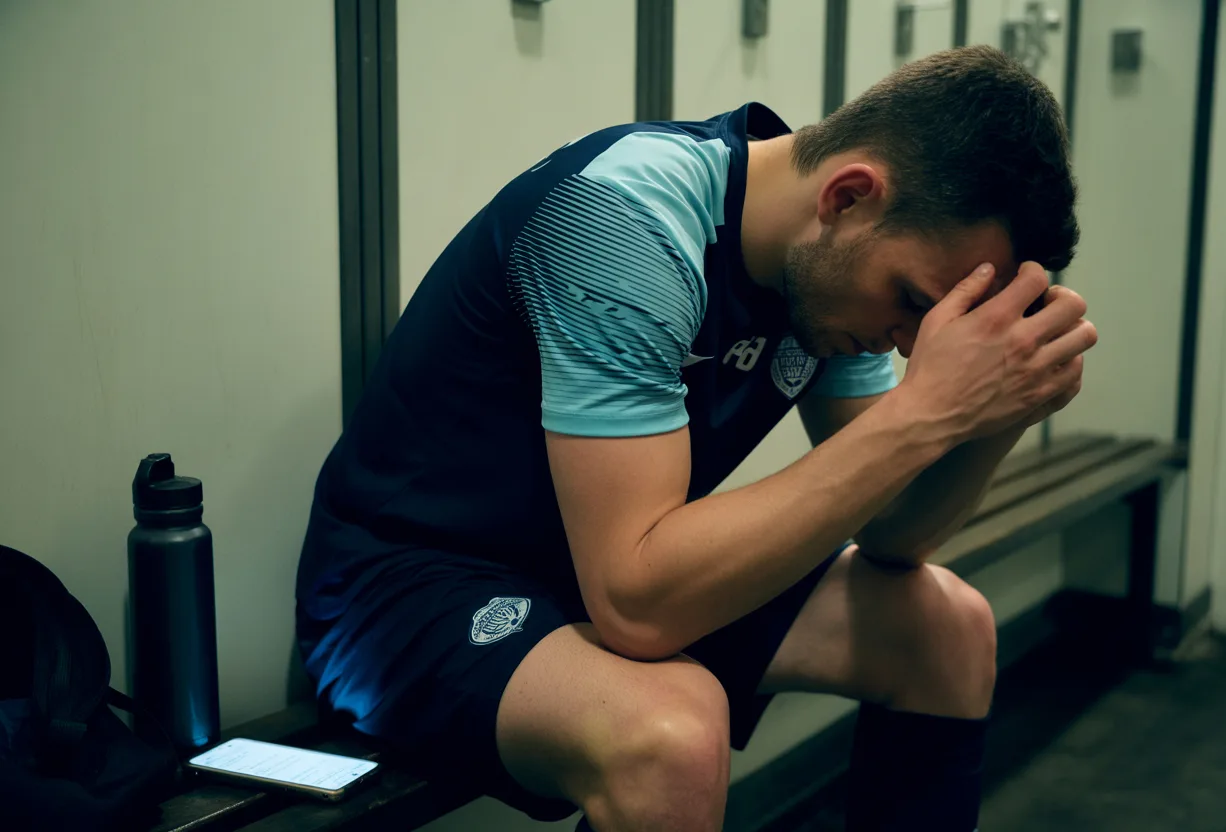

 Most often it is not the situation, but how we think about the situation that causes our feelings. How we think about situations is based on what we have learned and experienced in the past. Over time we may begin to react in ways that do not help us, and start feeling stuck and unhappy.
 Dr. Ivey, Psy.D. completed her doctorate in Clinical Psychology with a concentration in Organizational Consulting at Pacific University’s School of Graduate Psychology in Oregon. For her dissertation, Dr. Ivey conducted qualitative research on the effects of workplace discrimination and microaggressions on minority Veterans’ overall job satisfaction with their military career. She completed the APA-accredited Psychology Internship training program and Postdoctoral Residency at the Orlando VA Healthcare System.
 I know you’re stressed and exhausted while trying to keep up with the world’s go go go trials, trying to do it all perfectly. This “hustle” mentality makes all of us prone to mistakes and poor decisions. Your mind is overthinking at such a high pace by now that you no longer know where to find the off button, or recall when you turned it on in the first place. Trust me, I’ve been there, and in that dark place is where you start to feel worried and fearful about the future because you don’t feel in control of the now. Sound familiar?
 Often, when we seek support through therapy, we seem to underestimate the power of our own role in the healing process. We have all carried metaphorical luggage filled with experiences and events that have impacted our life. I know that it has been hard for you to seek support in untangling those moments from the past that now provoke stress, anxiety, frustration, anger, loneliness, sadness, guilt, depression, or hopelessness. The fact that you are reading this means that you have the intention to become the best version of yourself.