

Racing psychology is a vital component of an athlete’s performance on the track. It encompasses the mental and emotional aspects that can make or break a driver’s success. While physical training and technical skills are essential, mental preparation plays a significant role in determining who will cross the finish line first. In recent years, hypnotherapy has emerged as a powerful tool in shaping racing psychology, helping drivers to overcome obstacles, build confidence, and achieve their goals.
The Power of the Mind in Racing
Racing is as much a mental game as it is physical. Drivers need to maintain focus, concentration, and composure under pressure, often for extended periods. The mind can be either a driver’s greatest ally or worst enemy, depending on how well they manage their thoughts, emotions, and self-doubt. Research has shown that athletes who possess strong mental skills, such as confidence, motivation, and resilience, tend to perform better and achieve greater success (Hanton & Connaughton, 2002).

The Role of Hypnotherapy in Racing Psychology
Hypnotherapy is a technique that uses guided meditation and focused attention to access the subconscious mind. By inducing a state of trance, hypnotherapists can help drivers reprogram negative thought patterns, overcome phobias or anxieties, and develop more positive attitudes towards competition. This can lead to improved performance, increased confidence, and enhanced overall well-being.
In the context of racing psychology, hypnotherapy can be used to:
- Manage anxiety and stress: Hypnotherapy can help drivers cope with pre-race jitters, reducing feelings of nervousness and apprehension.
- Build confidence: By reframing negative self-talk and reinforcing positive affirmations, hypnotherapy can enhance a driver’s self-belief and confidence behind the wheel.
- Improve focus and concentration: Hypnotherapy can train drivers to maintain their attention on the task at hand, even in high-pressure situations.
- Develop resilience: By learning to manage setbacks and failures, drivers can bounce back from adversity and stay motivated.
Case Studies: Hypnotherapy in Action
Several studies have demonstrated the effectiveness of hypnotherapy in improving racing performance. For example:
- A study published in the Journal of Sports Sciences found that hypnotherapy significantly improved the performance of golfers, with participants showing reduced anxiety and improved shot accuracy (Wang et al., 2015).
- Another study published in the International Journal of Sports Science & Coaching found that hypnotherapy enhanced the confidence and motivation of young tennis players, leading to improved match performance (Gould et al., 2017).
Conclusion
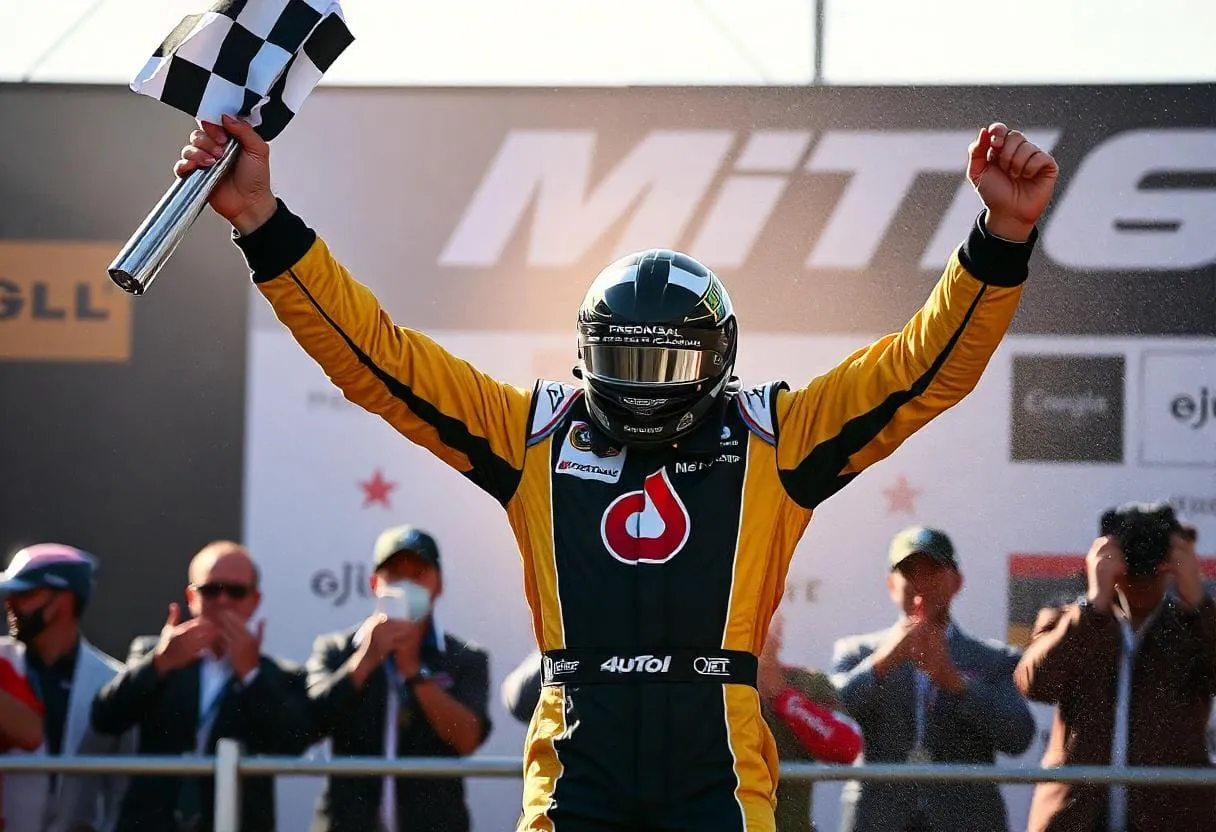
Winning the mental race is just as important as crossing the finish line first. By incorporating hypnotherapy into their training regimen, drivers can gain a competitive edge and achieve their goals. At Revibe Therapy , our experienced hypnotherapists specialize in helping athletes overcome mental barriers and reach peak performance.
With our Online Therapy platform , you can access expert guidance from the comfort of your own home. Our flexible scheduling system allows you to fit sessions around your busy training schedule. Don’t let mental doubts hold you back – take control of your racing psychology today with Revibe Therapy .


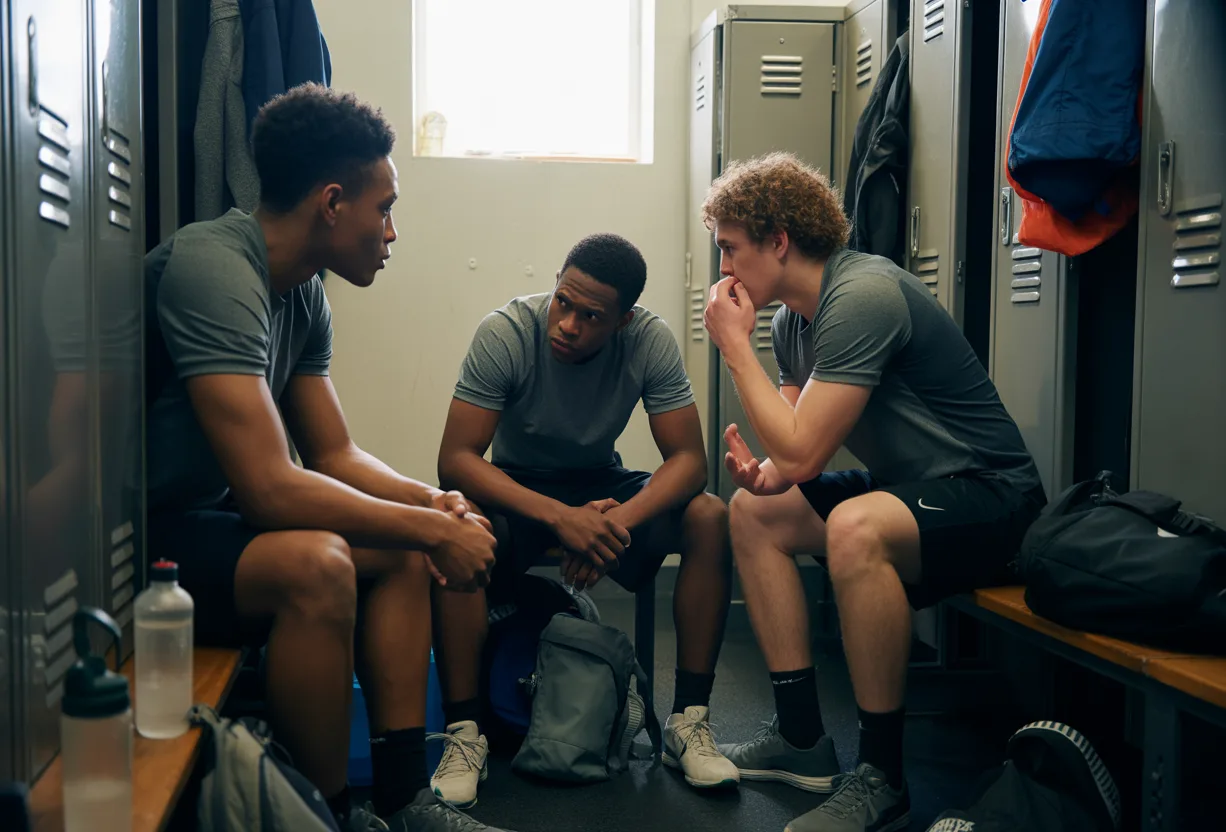

 Most often it is not the situation, but how we think about the situation that causes our feelings. How we think about situations is based on what we have learned and experienced in the past. Over time we may begin to react in ways that do not help us, and start feeling stuck and unhappy.
 Dr. Ivey, Psy.D. completed her doctorate in Clinical Psychology with a concentration in Organizational Consulting at Pacific University’s School of Graduate Psychology in Oregon. For her dissertation, Dr. Ivey conducted qualitative research on the effects of workplace discrimination and microaggressions on minority Veterans’ overall job satisfaction with their military career. She completed the APA-accredited Psychology Internship training program and Postdoctoral Residency at the Orlando VA Healthcare System.
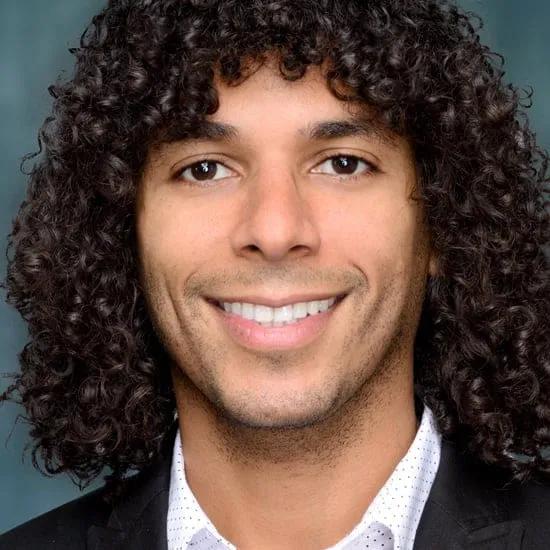 I know you’re stressed and exhausted while trying to keep up with the world’s go go go trials, trying to do it all perfectly. This “hustle” mentality makes all of us prone to mistakes and poor decisions. Your mind is overthinking at such a high pace by now that you no longer know where to find the off button, or recall when you turned it on in the first place. Trust me, I’ve been there, and in that dark place is where you start to feel worried and fearful about the future because you don’t feel in control of the now. Sound familiar?
 Often, when we seek support through therapy, we seem to underestimate the power of our own role in the healing process. We have all carried metaphorical luggage filled with experiences and events that have impacted our life. I know that it has been hard for you to seek support in untangling those moments from the past that now provoke stress, anxiety, frustration, anger, loneliness, sadness, guilt, depression, or hopelessness. The fact that you are reading this means that you have the intention to become the best version of yourself.