

Racism in sports is often mentioned, but rarely explained. Most athletes and coaches know it exists, yet few talk about how it impacts confidence, focus, and belonging. At Revibe Therapy, our work in Sports Psychology and Online Therapy helps athletes not only understand these invisible barriers but also take back control of their emotional and mental performance.
When privilege and oppression collide inside the athletic world, they influence more than just who gets the spotlight. They affect who feels safe to compete, who speaks up, and who holds back. The solution begins with awareness, discipline, and the courage to build bridges instead of walls.
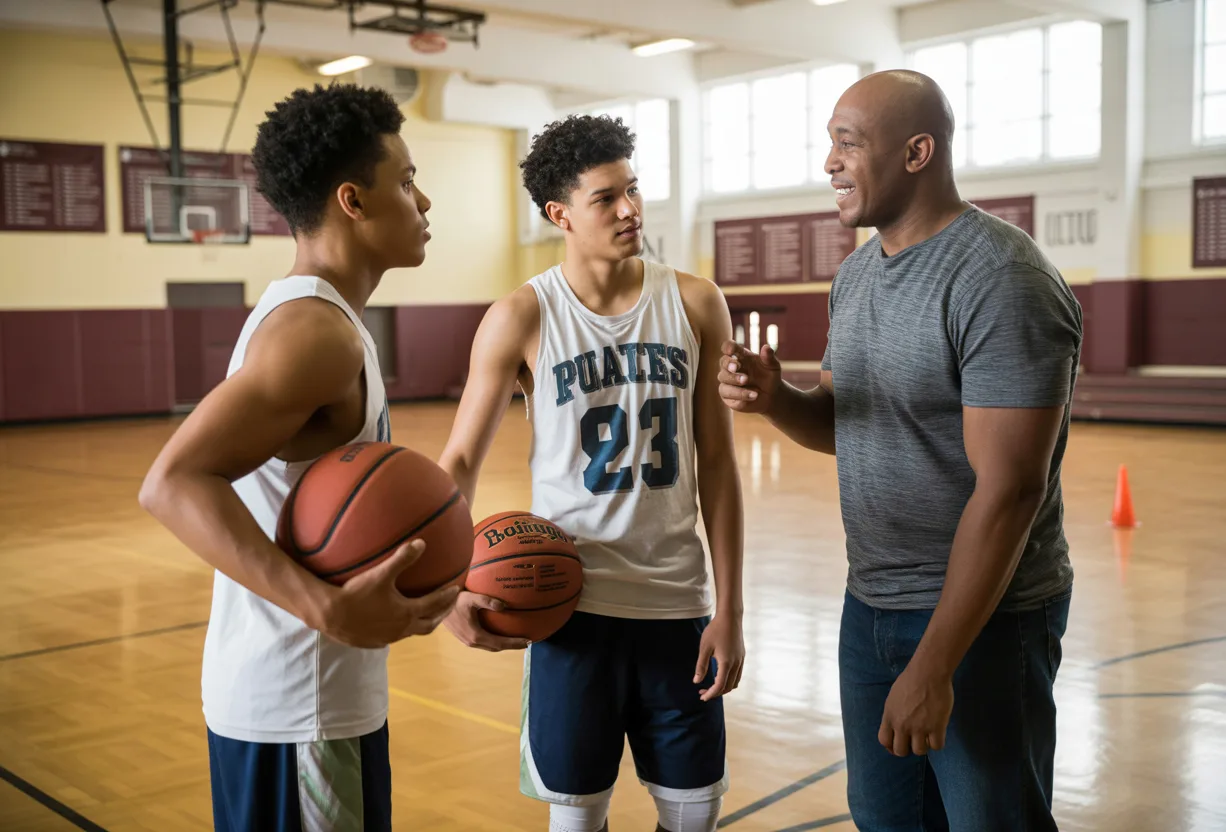
Privilege, Oppression, and the Mental Toll on Performance
Privilege and oppression come in many forms such as racism, classism, colorism, sexism, ageism, ableism, and more. But in sports, the most common are racism, classism, and colorism.
- Racism: Being judged by skin color or culture instead of skill.
- Classism: Unequal access to private coaching, travel teams, nutrition, or exposure.
- Colorism: Unequal treatment within the same racial group based on skin tone.
These patterns create mental strain that eats away at confidence and focus. Athletes dealing with these pressures may overthink, isolate, or push themselves harder just to prove they belong. The more energy spent fighting injustice internally, the less energy remains for performance.
Bias Is Wired, But Racism Is Learned
Bias is part of the human brain’s quick decision system. It evolved to help us make snap judgments for survival, to know who is safe, who is not, and who is part of our group. But racism is learned through family, culture, media, and echo chambers that distort those instincts into prejudice.
When belonging becomes “us versus them,” the brain builds walls that limit growth. Those walls don’t just keep others out. They keep you small.
At Revibe Therapy, we teach athletes that power is not about reacting to ignorance but about staying calm and disciplined under pressure. When racism strikes, anger is easy, but power is controlled.
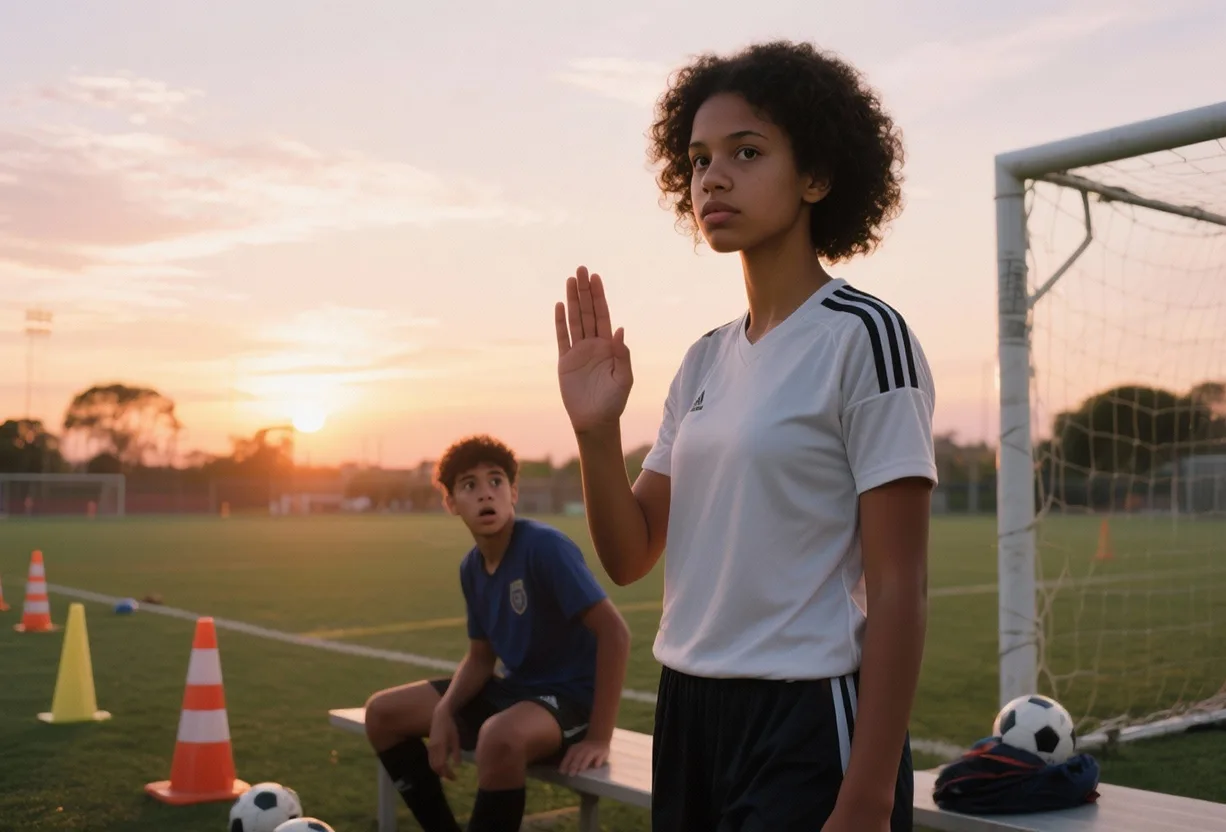
Three Mental Tools to Respond with Strength
Real strength means refusing to let hate hijack your nervous system or your performance. These three tools turn reaction into response and pain into purpose.
- Assertiveness: Stand firm and speak clearly. Set the tone of respect without aggression. Confidence is calm.
- Boundaries: Define what is acceptable and enforce it. Whether it’s a teammate’s comment or a coach’s language, clarity protects your peace.
- Grace: Show restraint even when someone doesn’t deserve it. Grace is not weakness; it is self-command. It keeps your energy focused on your goals rather than their ignorance.
If you witness bias on your team, pause and redirect: “That’s not okay. Let’s keep it respectful.” When addressing a coach or administrator, stay factual: “I’m reporting a racist incident. Here’s what happened, when, and who was present.”
That calm, direct approach shows leadership. It turns discomfort into accountability.
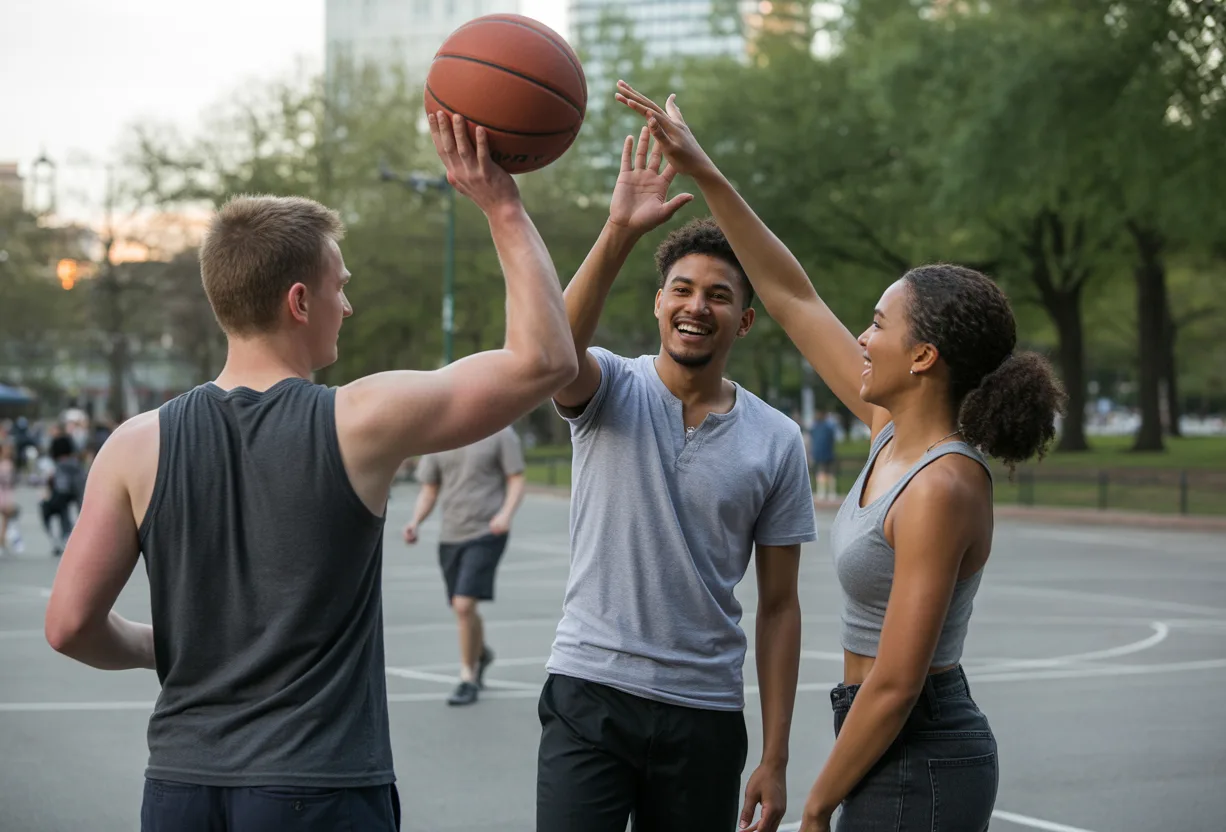
Retraining Bias: The Discipline of Exposure
Every human has bias. The question isn’t if you’re biased but what you’re doing to retrain it. The fastest path to change is exposure.
- Join a pickup game or practice outside your usual circle.
- Attend a cultural event, try new foods, and learn someone’s story.
- Volunteer or shadow a community experience that challenges your assumptions.
Conversation replaces assumption. Names and stories replace stereotypes. The more exposure you build, the more inclusive your reflexes become.
The Seven-Day Challenge
If you want to start right now, commit to this one-week challenge:
- Call it once: When you hear a biased comment, name it calmly and professionally.
- Bridge once: Have one conversation with someone outside your usual circle.
- Log once: Write down what you learned and how you’ll follow up.
Add it to your SCBG schedule. When it’s written down, it’s real. Over time, those small actions create long-term change.
Elevate the Game, Protect Your Mind
Real change in sports doesn’t start in policies or locker rooms. It starts in the mirror. The more control you have over your emotions, the less control ignorance has over you.
When bias shows up, don’t shrink. Don’t explode. Stand up, set the line, and build the bridge. That’s how you protect your focus, strengthen your confidence, and elevate the game for everyone.
🎥 Watch the full video: Racism in Sports: Turning Bias into Strength
🧭 Explore the SCBG Protocol
🧠 Review the Emotional Patterns Chart
📩 Connect with our team: Contact Revibe Therapy
At Revibe Therapy, we help athletes and professionals master the inner game so they can perform at their highest level, in sports and in life.

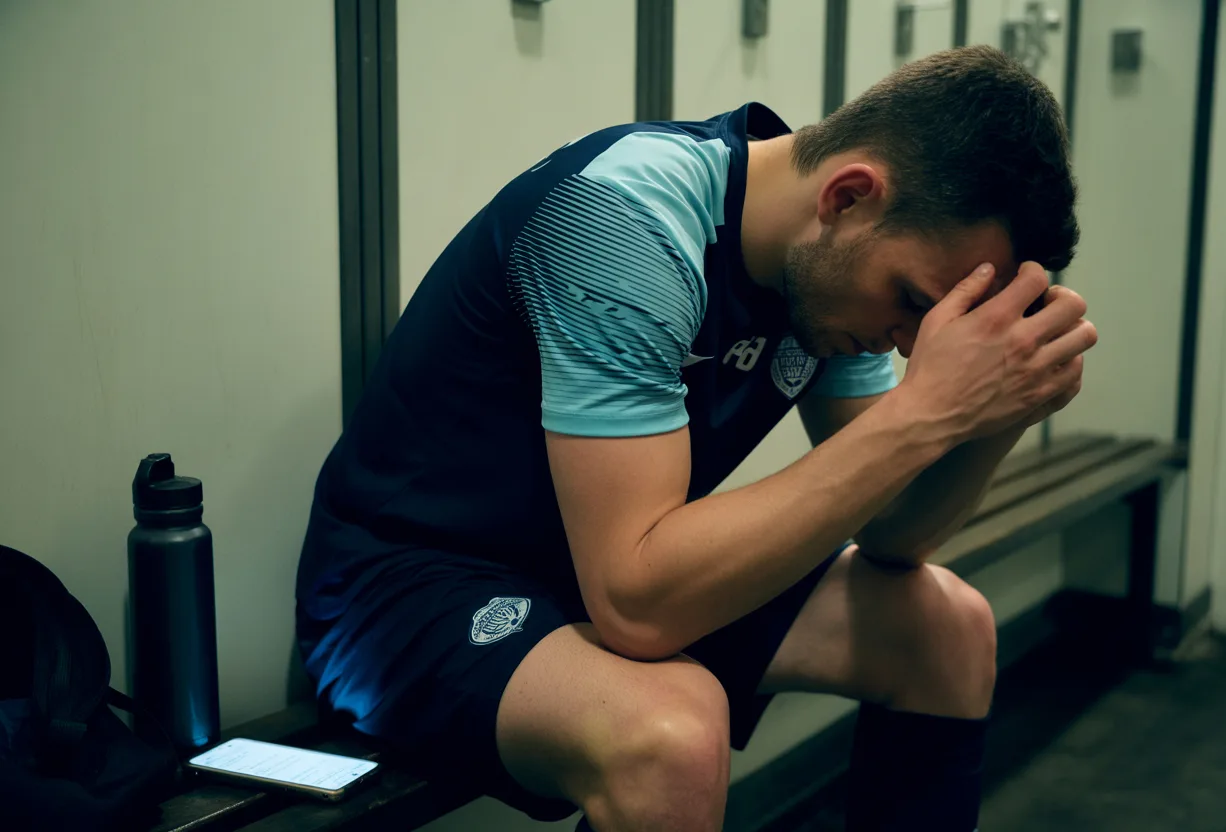
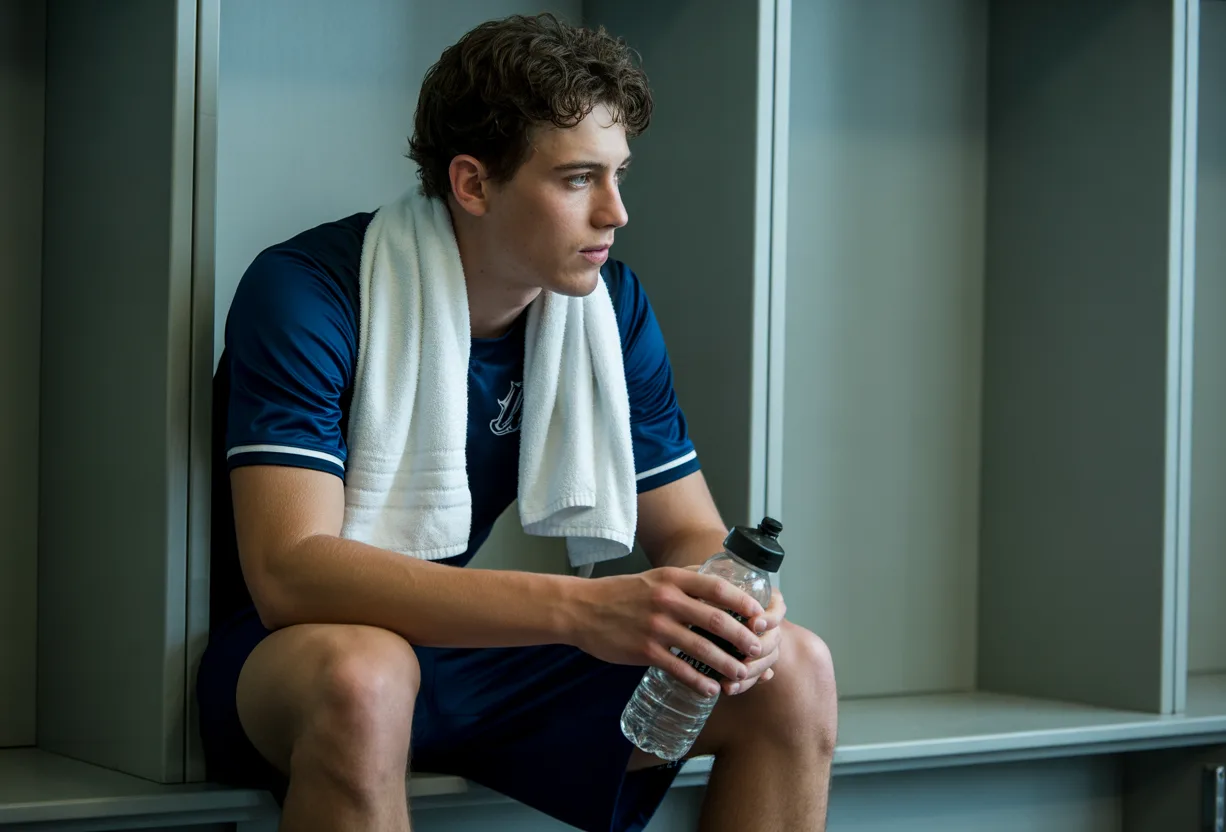

 Most often it is not the situation, but how we think about the situation that causes our feelings. How we think about situations is based on what we have learned and experienced in the past. Over time we may begin to react in ways that do not help us, and start feeling stuck and unhappy.
 Dr. Ivey, Psy.D. completed her doctorate in Clinical Psychology with a concentration in Organizational Consulting at Pacific University’s School of Graduate Psychology in Oregon. For her dissertation, Dr. Ivey conducted qualitative research on the effects of workplace discrimination and microaggressions on minority Veterans’ overall job satisfaction with their military career. She completed the APA-accredited Psychology Internship training program and Postdoctoral Residency at the Orlando VA Healthcare System.
 I know you’re stressed and exhausted while trying to keep up with the world’s go go go trials, trying to do it all perfectly. This “hustle” mentality makes all of us prone to mistakes and poor decisions. Your mind is overthinking at such a high pace by now that you no longer know where to find the off button, or recall when you turned it on in the first place. Trust me, I’ve been there, and in that dark place is where you start to feel worried and fearful about the future because you don’t feel in control of the now. Sound familiar?
 Often, when we seek support through therapy, we seem to underestimate the power of our own role in the healing process. We have all carried metaphorical luggage filled with experiences and events that have impacted our life. I know that it has been hard for you to seek support in untangling those moments from the past that now provoke stress, anxiety, frustration, anger, loneliness, sadness, guilt, depression, or hopelessness. The fact that you are reading this means that you have the intention to become the best version of yourself.